
Category: Story Guide

Posts on questions raised by the Working Narratives publication, “Storytelling and Social Change: A Strategy Guide for Grantmakers.”

  • Five things you can do right now to tell better stories

    Five things you can do right now to tell better stories

    Good Story - Alice in Wonderland

    There’s a mountain of ideas out there about how to tell better stories for social change. It’s easy to get overwhelmed.

    Here are 5 things you can do today to improve how you tell stories. These ideas don’t have to be part of a grand plan. Just try them out and see what you get out of them!

    • Call one of the people you serve and invite them to tell their story over lunch, or over the phone. Even if you don’t record the call, learning their story will help you learn more about why you do your work and how you can do it better. You might think of some questions in advance, but don’t get tripped up with lots of preparation–your eyes and ears and your attention are the most important thing in gathering stories.
    • Revise a story you’re working on. If you’re writing a blog post or another story that doesn’t quite get to the heart of the matter–then read this chapter of the Narrative Arts storytelling guide. As suggested in the last paragraph of that chapter, try to capture the essence of the story by writing one sentence on the “before and after” of the story, the “turning point” of the story, and the stakes involved.
    • Ask an acquaintance to critique your story. Have a story you want to improve? Ask a friend or acquaintance who won’t hesitate to be honest to read or listen to it. Ask them when they were bored, when they were confused, and when they were moved.
    • Write your own story. You may spend your time in storytelling mostly on listening to other people’s stories rather than telling your own. If so, write a short story — just one page or 2-3 minutes — about an experience you had that got you more deeply involved in whatever your issue is. Working on criminal justice, for example? Write about a family member behind bars, a story you read in the newspaper, or the prison located near you. You might or might not use the story; regardless, it’ll help you reconnect with your own motivations for doing the work you do.
    • Change the form of your story. You or your organization may tend to tell stories only on video, or only in blog posts, or only in some other form. Shake it up a bit. Take one story your group tells, and put it in another form: turn a written story into a short photo essay, or a video into an audio story. If you can’t change the format of the story so easily, try creating an outline or sketch of what the story might look like in another form.

    Want more ideas? Read the Narrative Arts guide on “Storytelling and Social Change.”

  • Is this blog post too long for you to read?

    Is this blog post too long for you to read?

    TLDR-bigDo we have to make social-change stories shorter and shorter nowadays?

    After all, people are so busy, bored, distracted, or deluged by media that there’s even an acronym that gives a reason for ignoring in-depth stories: TLDR. Too long, didn’t read. The same goes for videos, podcasts, or stories in any medium. Make it short, or people will pass over it.

    How on earth can we tell in-depth stories in this kind of environment? Or should we? Seems like an all-but-impossible task.

    And yet, how many TV shows, radio programs, movies, podcasts, plays, short stories, or novels do you consume on a weekly basis? Me, speaking strictly about TV, between “The Americans” and other programs I’m too embarrassed to name, I watch at least 2.5 hours.

    That’s not counting the audiobooks I listen to on my weekday commute, nighttime reading, movies about twice a month, or binging on shows like “House of Cards.”

    So why do I spend more time on those media than on nutritious social-issue stories?

    Because they’re good stories. They’re entertaining. They’ve got drama, humor, characters I come to care about, they’re serialized and create suspense that gets me more invested in the story over time. And not least of all, they don’t use soul-killing jargon such as “capacity-building” or “social-impact indicators.”

    There’s every reason to believe that stories about social issues can be just as compelling as, well, good TV. Yes, Hollywood studios have lots of money, but even low-budget nonprofits can tell good, long-form stories that will get viewers invested in them.

    Consider the gripping one-hour presentation by exonerated prisoners from Resurrection After Exoneration; the plays of Cornerstone Theater Company; or oral history books from Voice of Witness.

    Such stories work their ways into the hearts of students who are assigned to read the books, or Angelenos who attend a well-reviewed Cornerstone play on community issues, rather than a political lecture with the trappings of theater. Or in some cases, these stories may encourage people who are already converted, which is itself a laudable result. And while these stories may be reaching fewer people than a viral video, they might just be reaching the right people, the 50 people or 100 people who are really going to work to create change.

    It all depends on what your organization wants to do. Which brings us back to the question of whether you should tell long-form stories at all, or just stick to short web videos. Or tell any other kind of story—in whatever form, and whether it’s triumphant, tragic, live, pre-recorded.

    If you’re telling stories for a social or political purpose, by all means think of what you want to achieve, whom you need to involve to achieve it, and what kind of story will help you reach those people. It may be long-form stories told on a speaking tour of college campuses, or in a play, or in a series of articles on Medium.

    Or, if what you want is to get a lot of eyeballs on your latest fundraising campaign, then yes, maybe your blog post is too long.

  • Storytelling guide: Research to support your stories

    Storytelling guide: Research to support your stories

    07-research-Frameworks
    FrameWorks Institute has research on social-change communications

    Storytelling is hardwired into our brains, right? So why would anyone need to do research to support it? This line of thinking seems to suggest that what stories you tell and how people will respond to them is strictly a matter of intuition, maybe even biology. Not so. Research can complement whatever instinct you’ve developed.

    How do we do research to support our social-change storytelling? That’s the topic of a chapter in the new Narrative Arts guide on “Storytelling and Social Change” — available as a downloadable PDF (sign-up required) or in an online magazine format.

  • Weekly roundup: #HowAbnormal, Story forms, more!

    Weekly roundup: #HowAbnormal, Story forms, more!

    HowAbnormal
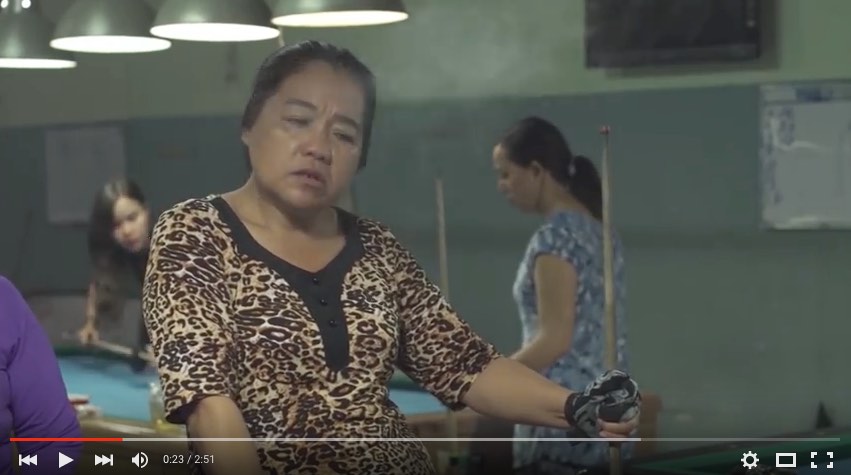
    UN Development Programme in Viet Nam has new video series that flips gender roles.

    The United Nations Development Programme in Viet Nam has a series of new videos that flip gender roles. Marked by tongue-in-cheek humor, the videos show women getting drunk with friends and playing billiards, while their husbands care for the kids and go shopping. With the hashtag #HowAbnormal, the series urges viewers to consider “how abnormal” the so-called normal state of affairs is, with respect to gender roles.

    How can you use fiction in your social-justice storytelling? In fiction, one can change the world with the stroke of a pen. You want a world where no one goes to sleep hungry every night? Write it. Using fiction for public good is the topic of a chapter in our new guide on “Storytelling and Social Change” — available as a downloadable PDF (sign-up required) or in an online magazine format.

  • Weekly roundup: #Case4Comm, Narativ podcast, more!

    Weekly roundup: #Case4Comm, Narativ podcast, more!

    The Case for Communications is a new series of articles on how smart, strategic communications can help nonprofits and foundations win. The series is a partnership of the Communications Network and the Stanford Social Innovation Review, and features nonprofit and foundation leaders sharing case studies of how communications can drive change. Read the introductory article here, and stay tuned for more in the weeks to come. On Twitter, follow #Case4Comm.

    narativ-memory-motelNarativ, the listening and storytelling company, has worked with many original storytellers. To bring some of their stories to a broader audience, they’re launching their first podcast, “Memory Motel,” on March 15. Visit the podcast website to listen to a trailer, or subscribe and be among the first to hear the premiere episode!


    How can nonprofits work with StoryCorps? That’s the topic of a sidebar (scroll to bottom of that page) in our new guide on “Storytelling and Social Change.” Other chapters focus on such topics as how to tell a good story, how to develop a story strategy, how to connect with new audiences, and lots more! Read the online magazine-style version, or go to this page to download the PDF or order a print copy.

     

  • Weekly roundup: Theater for change, and more!

    Weekly roundup: Theater for change, and more!

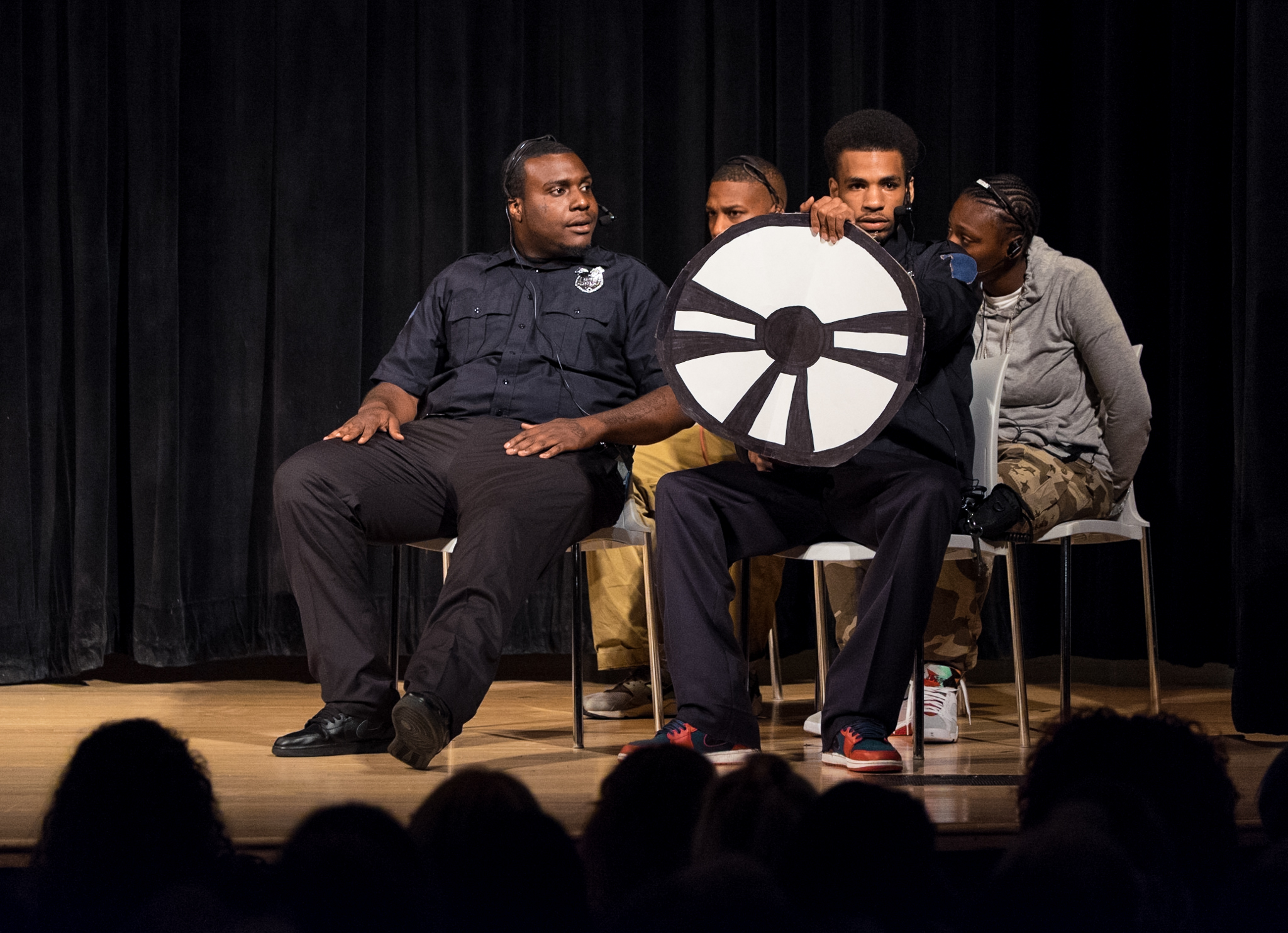
    Will O'Hare for TONYC
    Will O’Hare for TONYC

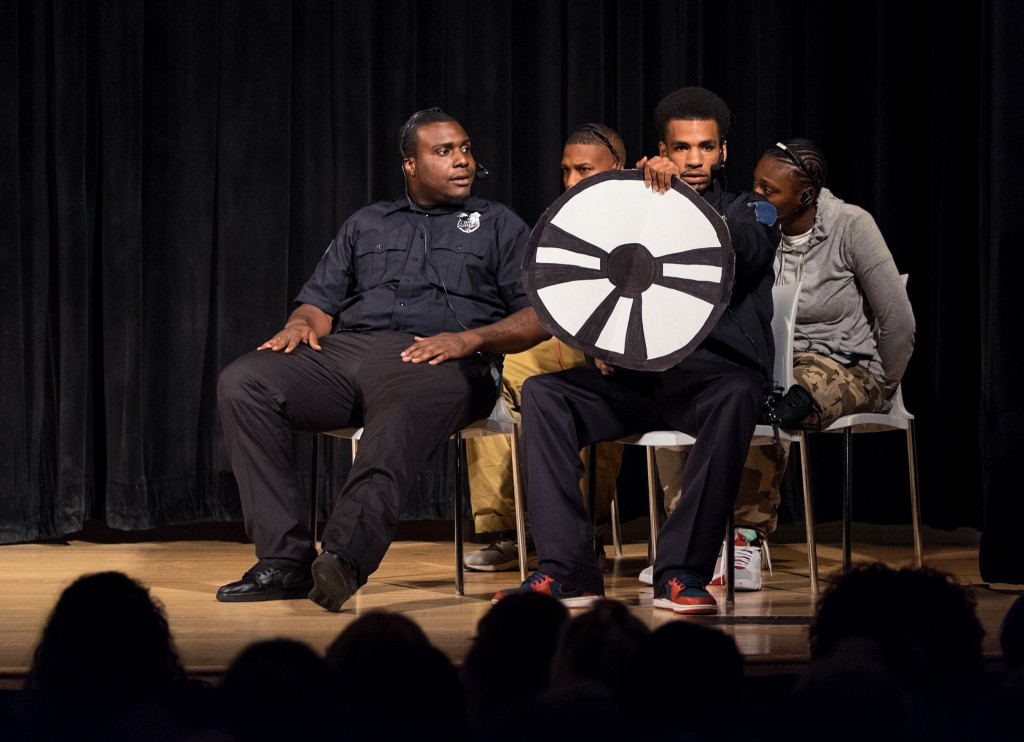
    “The theater…is a rehearsal for the revolution,” said the late theater director Augusto Boal. In our new guide on social-justice storytelling, read about Boal’s thrilling theater-for-change method, “Theatre of the Oppressed,” now used worldwide by community and activist groups. The full Narrative Arts guide on “Storytelling and Social Change” is available as a downloadable PDF (sign-up required) or in an online magazine format. Other chapters are on telling great stories, developing a strategy, using humor, exploring history, and lots more!

    Theatre of the Oppressed NYC, the troupe featured in the above-mentioned chapter, has a gorgeous new website. They’ve also announced that the 4th annual Legislative Theatre FestivalThe Housing Circus, will take place May 4-7 at The New School! Save the date!

    Voice of Witness, the group that produces books of oral histories on contemporary human rights crises, has launched the new VOW Story Fund to support oral history projects that applicants would like to explore in book-length form. Applications accepted on a rolling basis. Learn more here.